Four Days With Meta’s Muse, and I’m Starting to Get It
When I first heard about Muse, I wanted to know if Meta had built me an assistant or a Tamagotchi with access to my calendar.

When I first heard about Muse, I wanted to know if Meta had built me an assistant or a Tamagotchi with access to my calendar.
I started a 30-day trial on September 30. Four days in, I was still skeptical. I wasn’t looking for another AI companion to consider, another app to manage, or another system that needed my attention before it could give me any value.
But I also knew I needed to give it a fair deep dive.
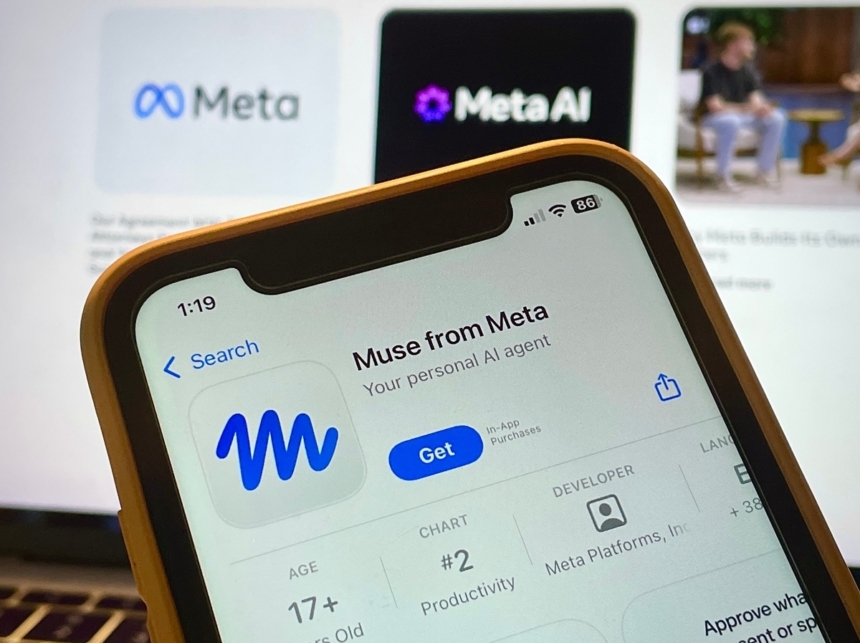
For anyone who hasn’t come across it yet, Muse is Meta’s AI assistant that gets things done for you. It schedules appointments, makes calls, and orders groceries in the background, and nothing goes through until you approve it.
Muse runs on its own computer in the cloud, and that computer stays with your agent between conversations. So does the context it builds about your life and work. Muse can produce documents, follow up on tasks, and run scheduled checks without you opening a fresh conversation to get things moving again.
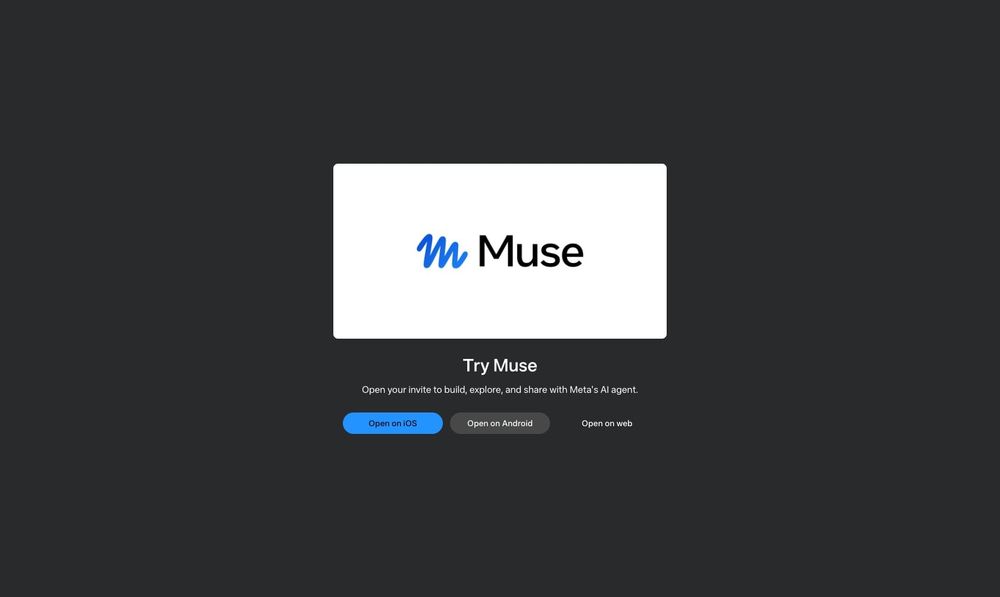
It’s available in the U.S. and Canada through muse.ai, iOS, Android, and a Mac app. There’s a free option with usage limits and paid monthly plans for heavier use. The experience is one-to-one with your agent, rather than a group or shared chat.
All of that sounds useful on a product page. I wanted to see where it would fit into an ordinary week.
So I gave it some real work.
Right now, I have a 6:15 a.m. morning brief running, with an AI news scan just added. There’s an evening Lakers content routine and a few standing checks I’ve asked it to keep handling.
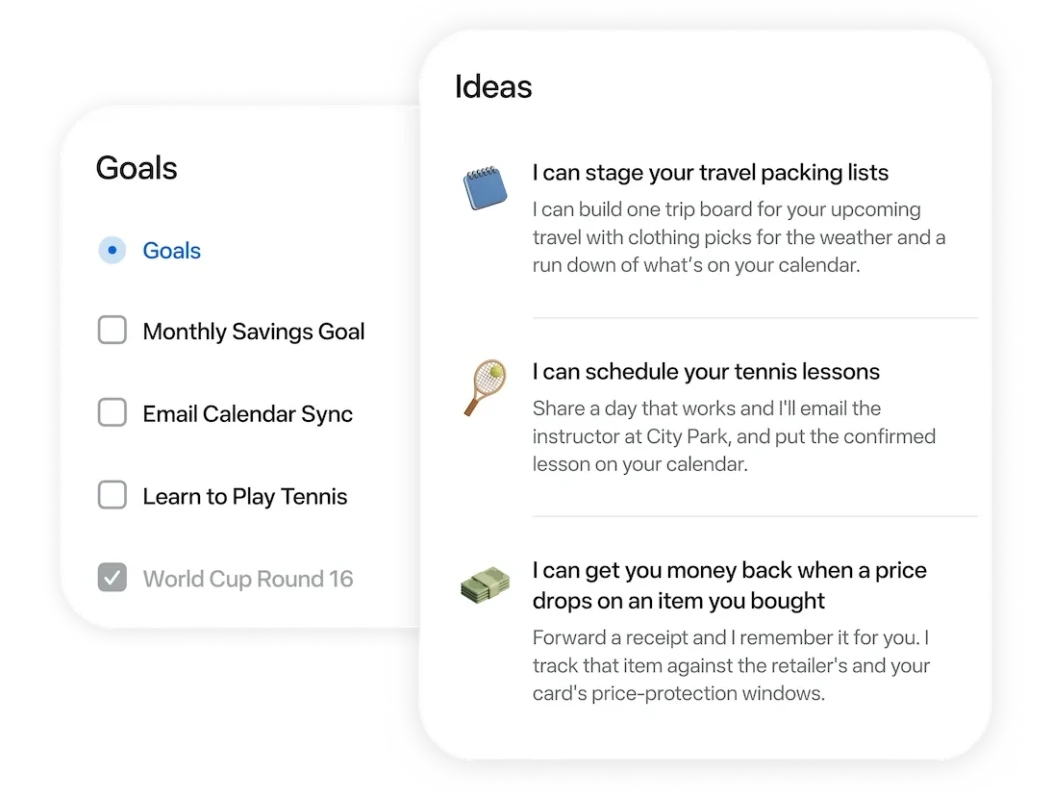
Then there’s the random stuff that fills up a day. Muse helped me organize a comedy show outing, handled Grandparents Day registration and the email to my parents, converted a roster spreadsheet into Google Sheets, put together a foodie list for Ashley and me, and researched an Amazon settlement.
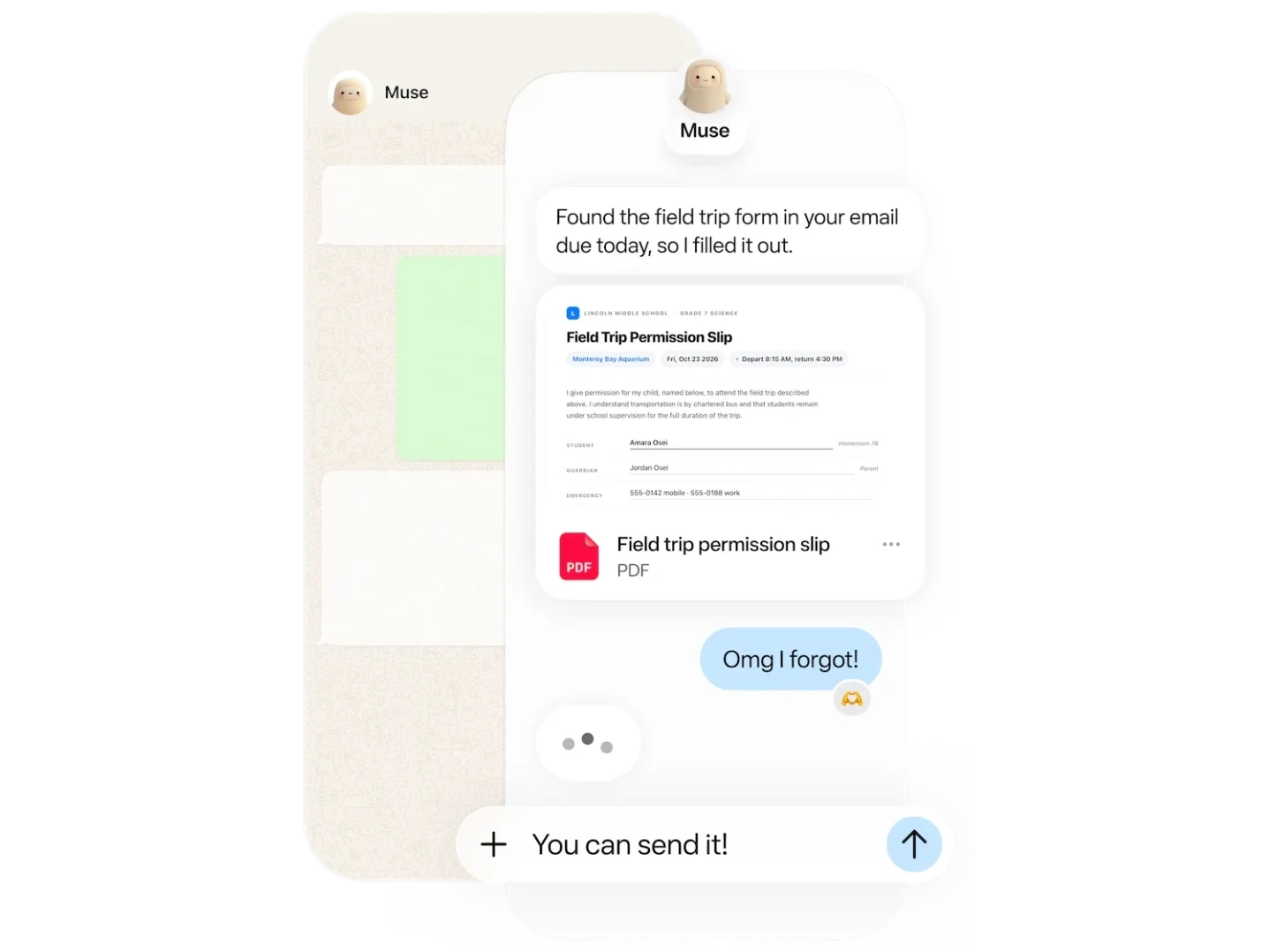
It also helped me organize financial alerts and pull important messages forward so I could deal with them. I still have to make the decisions and handle the issues. Muse doesn’t remove that responsibility, but it can make it easier to see what needs my attention.
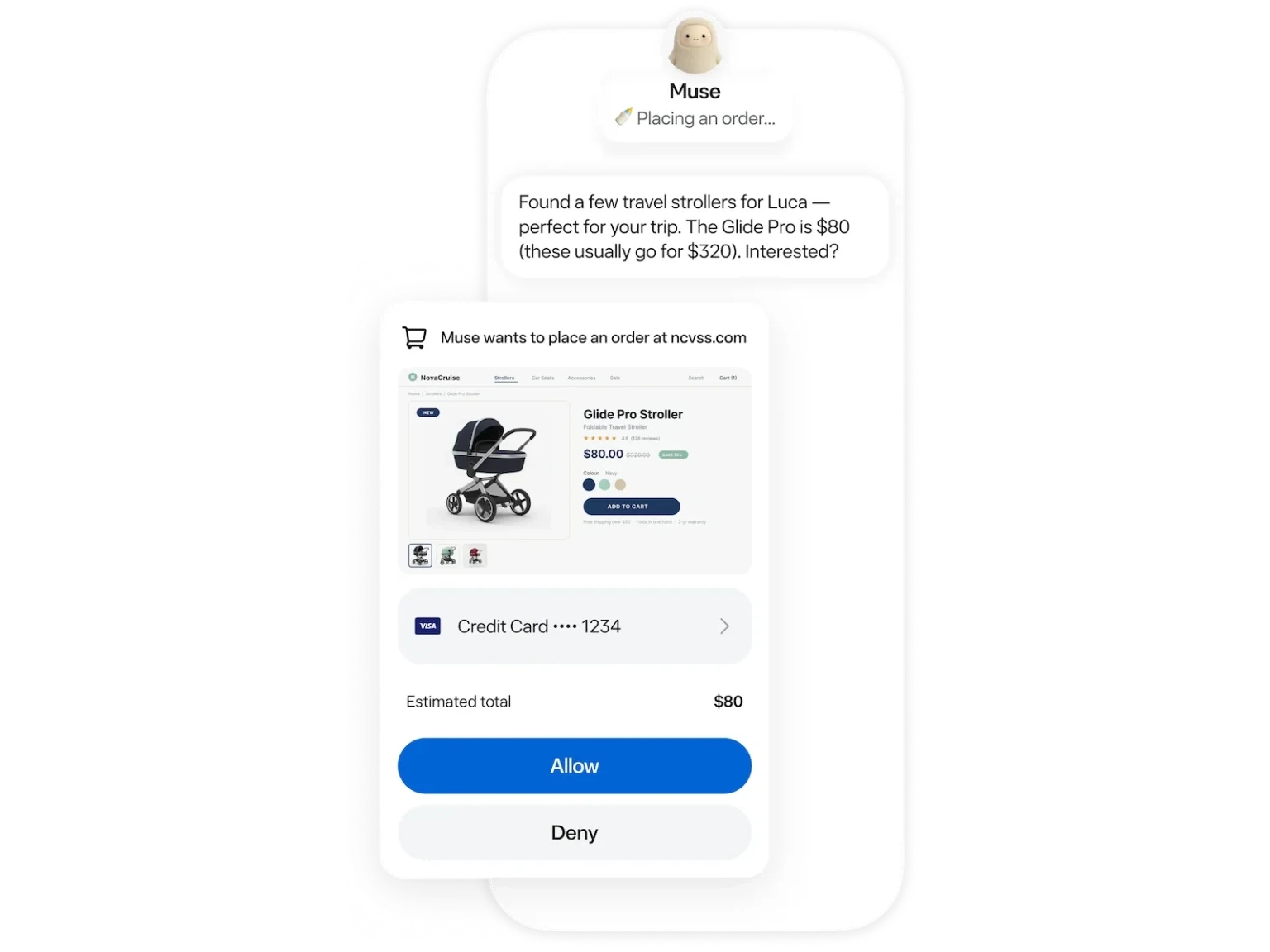
None of those tasks is going to headline a tech conference. But if you’re juggling work, kids, a business, and a few interests you’d like to actually enjoy, you understand why they matter.
The biggest assignment so far has been Creative Eye Forward, the community education initiative I’m building through Creative Eye Studios. We’re helping young people develop AI literacy, critical thinking, and digital creativity, with room to grow beyond that audience over time.
I gave Muse the synopsis. It produced a 23-page master curriculum.
That gives me something substantial to review and shape around the people I’ll actually be teaching. The page count alone doesn’t tell me whether the curriculum works, but now I have material in front of me that I can develop.
We’ve also started building a more consistent Instagram content process for Creative Eye: a brand audit, reference research, a study of my writing, and that morning topic scan.
Which brings us to this article. Muse took the first swing at it.
The draft had the facts and some familiar rhythms, but it sounded like an AI had read two of my articles and decided it had me figured out. We had to work on that.
That’s a useful part of the experience, too. Giving an agent more context doesn’t mean every result is ready to put your name on. I still need to know what I want, recognize what’s off, and give it direction.
Four days is enough to see some value. It isn’t enough to know how consistently Muse will deliver, or how much cleanup the bigger assignments will need.
But I’ve moved past wondering what I would use it for. I’m already using it across the parts of my life that compete for my attention.
So far, I’d call it fairly useful.
I’ve got 26 days left in the trial. I’m not 1,000% sure whether Muse will automatically become part of my ecosystem when the trial ends. As I continue to explore it, I’ll keep evaluating what it adds and what it asks from me.
Who knows? Maybe the Tamagotchi does have a place in my ecosystem.
Get the next one
New pieces from me, in your inbox.